

Commercial Auto Insurance protects your business fleet by covering liability for injuries and property damage your vehicles cause, along with physical damage to your vehicles from collisions, hail, theft, and other covered events. It is designed for vehicles used for business purposes, where personal auto policies may limit or exclude coverage.
Whether you operate one work truck or a fleet of vans, your vehicles face Colorado traffic, winter storms, mountain driving, and frequent hail. A commercial policy helps protect your business from the costs of accidents, repairs, and lawsuits so your operations can keep moving.
What Are the Key Differences Between Personal Auto Policies and Commercial Vehicle Coverage for Local Businesses?
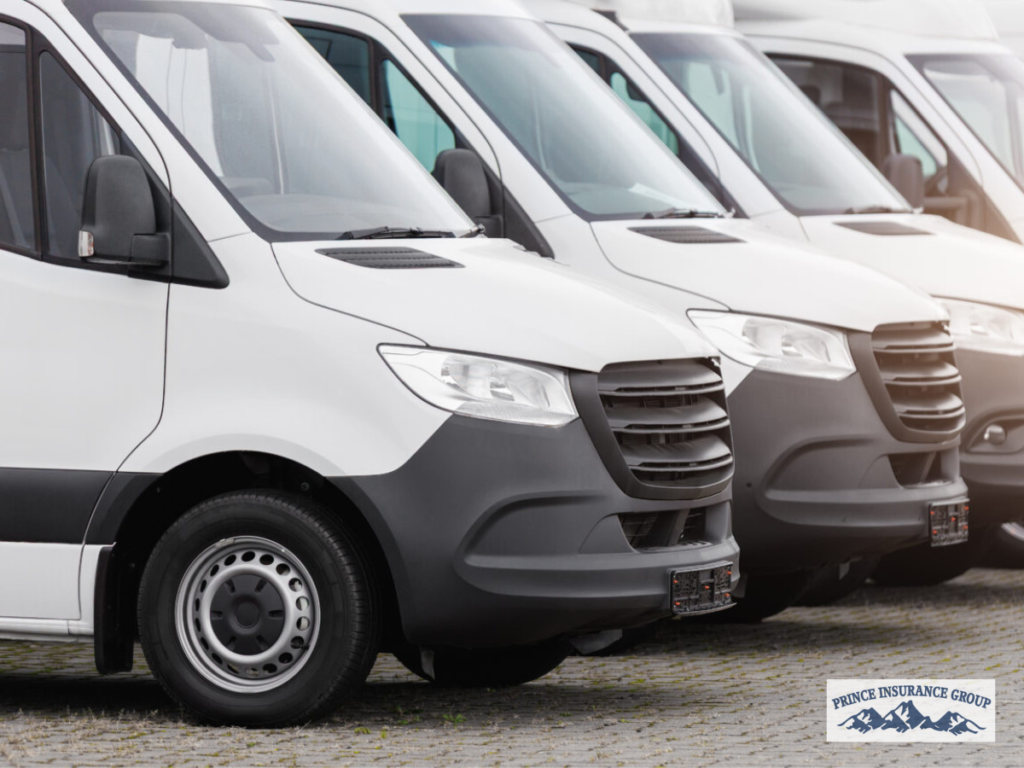
The key difference is how the vehicle is used. Personal auto policies are designed for personal driving and may exclude or limit coverage for business use, while Commercial Auto Insurance is built for vehicles owned by a business or used to perform business activities.
When You May Need Commercial Coverage
- The vehicle is titled or leased to your business.
- Employees drive the vehicle for work.
- You transport tools, equipment, products, or materials.
- You haul trailers or carry goods for customers.
- You use the vehicle to transport people for business purposes.
- The vehicle is a heavy truck, box truck, or specialty vehicle.
How Coverage Differs
- Higher liability limits: Commercial policies often offer higher limits to match business risks and contract requirements.
- Multiple drivers: Commercial policies can cover employees who drive company vehicles.
- Specialized vehicles: Coverage is available for trucks, trailers, and vehicles with specialty equipment.
- Hired and non-owned auto: Helps protect your business when employees use rented vehicles or personal vehicles for business errands.
- Business-specific endorsements: Options may include coverage for equipment permanently attached to a vehicle.
Colorado Minimum Requirements
Colorado requires minimum liability limits of $25,000 per person and $50,000 per accident for bodily injury, and $15,000 for property damage. Many businesses choose higher limits because serious accidents can far exceed these minimums. Vehicles used in interstate commerce or for certain hauling may also be subject to federal or state regulatory requirements.
How Do Severe Colorado Weather Conditions and High-Altitude Driving Impact Your Commercial Coverage Needs?
Colorado’s hail, winter storms, and mountain driving increase the risk of vehicle damage and accidents, which makes comprehensive coverage, collision coverage, and adequate liability limits especially important for business fleets.
Hail and Weather Damage
The Front Range is known for frequent and sometimes severe hailstorms. Comprehensive coverage typically helps pay for hail damage, falling objects, and other non-collision losses, subject to your deductible and policy terms.
Winter Driving and Mountain Passes
Snow, ice, and reduced visibility raise the risk of collisions, especially on mountain corridors such as I-70. Colorado has traction and chain laws that apply during certain conditions, including requirements for commercial vehicles on parts of I-70. Collision coverage helps pay for damage to your vehicles after an accident, while liability coverage responds to damage you cause to others.
Wildlife and Rural Roads
Collisions with deer, elk, and other wildlife are a concern on many Colorado roads. These incidents are commonly covered under comprehensive coverage, depending on your policy.
Coverage to Consider
- Liability limits that reflect your business size and contract requirements
- Comprehensive and collision coverage for owned vehicles
- Uninsured and underinsured motorist coverage
- Medical payments coverage
- Hired and non-owned auto coverage
- Rental reimbursement and towing coverage to reduce downtime
- Commercial umbrella coverage for added liability protection
How Can Businesses Lower Commercial Auto Costs?
- Screen driver records before assigning vehicles.
- Create written driving and safety policies.
- Maintain vehicles regularly, including tires for winter conditions.
- Consider telematics or dash cameras where appropriate.
- Review deductibles and coverage annually with your agent.
Protect Your Fleet With Prince Insurance Group
Commercial Auto Insurance helps protect Colorado businesses from the costs of accidents, weather damage, and liability claims involving company vehicles. Understanding the difference between personal and commercial coverage, and planning for hail, winter roads, and mountain driving, helps you choose limits and options that fit your fleet. Coverage details vary by policy, so review your options with a licensed agent.
Prince Insurance Group helps Colorado businesses find commercial vehicle coverage for work trucks, vans, and fleets. Learn more about our Commercial Auto coverage or contact us for a quote.
Frequently Asked Questions
Can I use my personal auto policy for business driving?
It depends on your policy and how you use the vehicle. Many personal auto policies limit or exclude coverage for certain business uses, such as hauling goods or transporting customers. If your vehicle is owned by your business or used regularly for work, talk to an agent about commercial coverage.
Does commercial auto insurance cover hail damage?
Hail damage is typically covered under comprehensive coverage, subject to your deductible and policy terms. Because hail is common along Colorado’s Front Range, comprehensive coverage is an important consideration for business vehicles, especially those parked outdoors.
What is hired and non-owned auto coverage?
Hired and non-owned auto coverage helps protect your business from liability when employees drive rented vehicles or their own personal vehicles for business purposes. It is useful for businesses whose employees run errands, visit clients, or travel for work but do not drive company-owned vehicles.
How much commercial auto insurance does my business need?
You need at least Colorado’s minimum liability limits, but many businesses carry higher limits to protect their assets and meet contract requirements. The right amount depends on your vehicles, drivers, industry, and risk exposure. An insurance agent can help you evaluate appropriate limits.