

General Contractor Insurance is critical because construction work carries daily risks of jobsite injuries, property damage, equipment loss, and claims tied to subcontractor work. The right coverage helps protect your business from costly lawsuits and repairs, and it is often required to pull permits, sign contracts, and bid on commercial or public projects in Colorado.
For contractors across Denver, Wheat Ridge, Lakewood, Arvada, and the rest of the Front Range, a single accident or claim can threaten years of hard work. Insurance does not eliminate risk, but it can help keep a claim from becoming a financial crisis for your business.
What Specific Liability Risks Do Colorado Contractors Face from Jobsite Accidents and Subcontractor Work?
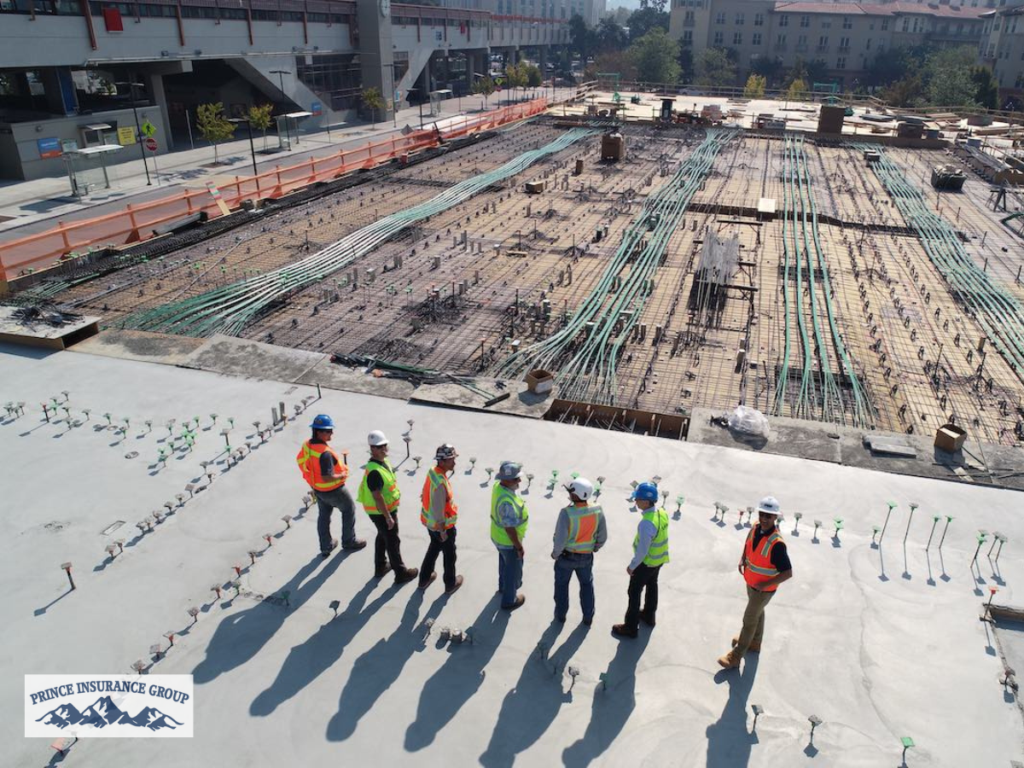
Colorado contractors face risks from injuries to workers and visitors, damage to client or neighboring property, faulty work discovered after completion, equipment theft, and claims caused by subcontractors. Each risk can lead to expensive claims if it is not properly insured.
Common Jobsite Risks
- Third-party injuries: A client, delivery driver, or passerby could be hurt on your jobsite.
- Property damage: Work could damage a client’s home, a neighboring building, or underground utilities.
- Employee injuries: Falls, equipment accidents, and strains are common in construction.
- Completed operations claims: Problems with your work may surface months or years after a project ends.
- Equipment and materials loss: Tools, machinery, and materials can be stolen or damaged on the jobsite or in transit.
- Weather damage: Hail, wind, and snow can damage projects under construction.
Subcontractor Risks
General contractors can be pulled into claims caused by subcontractors. If a subcontractor is uninsured or underinsured, the general contractor’s policy may be expected to respond. That is why many contractors require subcontractors to carry their own insurance, provide certificates of insurance, and name the general contractor as an additional insured.
Key Coverages for Contractors
- General liability: Covers third-party bodily injury and property damage claims arising from your operations, subject to policy terms.
- Workers’ compensation: Colorado generally requires employers to carry workers’ compensation, which helps cover employee injuries.
- Builder’s risk: Protects structures under construction from covered losses such as fire, theft, and certain weather events.
- Inland marine or contractor’s equipment: Covers tools and equipment on and off the jobsite.
- Commercial auto: Covers trucks and vehicles used for business.
- Commercial umbrella: Adds liability limits above your primary policies.
How Does Tailoring Your Policy with Prince Insurance Group Help You Secure Licensing and Win Bigger Bids?
Tailoring your General Contractor Insurance helps you meet the insurance requirements set by licensing offices, general contractors, property owners, and project owners, which can open the door to larger and more profitable projects. An independent agency can compare options to match coverage to your work.
Meeting Licensing and Permit Requirements
Colorado does not have a single statewide general contractor license. Instead, many cities and counties issue their own contractor licenses and may require proof of general liability and workers’ compensation insurance. Requirements vary, so check with the local building department where you work.
Meeting Contract Requirements
Commercial contracts often require specific insurance terms, such as:
- Minimum liability limits
- Additional insured endorsements for the project owner or general contractor
- Waiver of subrogation
- Primary and noncontributory wording
- Umbrella or excess liability coverage
- Surety bonds for bid and performance
Having the right endorsements and limits in place before you bid helps you respond quickly and avoid delays when a contract is awarded.
Why an Independent Agency Helps
Independent agencies can shop coverage with multiple insurance companies, compare terms, and tailor policies to your trade, project size, and growth plans. As your business takes on larger jobs, your coverage can be adjusted to match new requirements.
How Much Does General Contractor Insurance Cost?
Costs depend on your trade, payroll, revenue, claims history, coverage limits, number of employees and vehicles, and the types of projects you take on. High-risk trades and larger projects typically cost more to insure. The best way to understand pricing is to request a quote based on your specific operations.
Common Mistakes to Avoid
- Carrying limits too low for the contracts you want to win
- Failing to collect certificates of insurance from subcontractors
- Overlooking tools and equipment coverage
- Not updating coverage as your business grows
- Assuming all policies include completed operations or specific endorsements
Protect Your Construction Business With Prince Insurance Group
General Contractor Insurance protects Colorado construction businesses from the financial impact of jobsite accidents, property damage, subcontractor claims, and equipment loss. Tailoring coverage to your trade and contract requirements also helps you meet licensing rules and compete for bigger bids. Because every policy is different, review your coverage regularly with a licensed insurance professional.
Prince Insurance Group is an independent agency based in Wheat Ridge, Colorado, offering insurance and bonding for contractors and home builders. Visit Prince Insurance Group or contact us to request a quote.
Frequently Asked Questions
Is general liability insurance required for contractors in Colorado?
Colorado does not have a single statewide requirement for all contractors, but many cities and counties require proof of general liability insurance for contractor licensing or permits. Project owners and general contractors also commonly require it in contracts. Check with your local building department and review your contracts to confirm requirements.
Do subcontractors need their own insurance?
In most cases, yes. General contractors commonly require subcontractors to carry their own general liability and workers’ compensation insurance and provide certificates of insurance. Without it, the general contractor’s policy may be exposed to claims caused by the subcontractor’s work.
What is completed operations coverage?
Completed operations coverage is part of many general liability policies and responds to covered claims for bodily injury or property damage that occur after your work is finished. For example, if a structural issue from your work causes damage months later, this coverage may apply, depending on policy terms.
What is a certificate of insurance?
A certificate of insurance is a document that summarizes your coverage, limits, and policy dates. Clients, general contractors, and building departments often request it before work begins. It does not change your policy, but it provides proof that coverage is in place.